Saturday, August 31, 2013

Why we need "feeding rooms," not "breastfeeding rooms"


It's a funny thing about Japanese breastfeeding; breastfeeding rates here are high, yet you will rarely see a woman actually nursing. I remember pondering this question in pre-motherhood days and being very puzzled by it. Later on, however, I understood how things worked after I was initiated into the mysteries of the popular Japanese institution of the junyuushitsu (“breastfeeding room”).

These rooms, commonly found in stations, department stores, shopping centers and other facilities, vary considerably; some are little more than a small cubicle with a couple of chairs, while others are quite spacious rooms equipped with sofas and equipment ranging from vending machines to taps emitting water heated to 70 degrees C (accompanied by a little sign assuring users that the water in question was bottled and filtered—my brief period of nursing-room use was shortly after the TEPCO nuclear meltdown in Fukushima, following which parents were warned not to use tapwater in babies’ bottles after briefly elevated levels of radioactivity were reported). As this implies, the larger junyuushitsu are often used by bottle-feeding parents as well; breastfeeding mothers using these rooms have the option of disappearing into a curtained-off cubicle if they aren't happy about being visible to any dads who might be on the couch giving a bottle.

I made sparing use of these rooms back when Little Seal was a baby, mostly in the newborn days when I was nervous about breastfeeding her in public; even after I had gained more confidence, there were times when there was something to be said for making an all-in-one stop (feed + diaper change) without having to shell out US$6.00 on a cup of coffee. That said, I usually fed wherever I happened to be, albeit with a nursing cover.

Why breastfeeding rooms are controversial
Breastfeeding rooms have been cropping up all over the place in the Western world too, and are an increasingly common sight in shopping malls and transportation hubs. One Vermont company is even using crowdsourcing to build free-standing "lactation stations":  "Mothers deserve a clean, comfortable, private place to pump and nurse – not a bathroom." While on the face of it, such rooms appear to be a supportive measure for breastfeeding, they’ve always been accompanied by controversy.

"They seem to prefer the idea of hiving off bf mothers into corners so they're invisible to the rest of the population....." "The potential problem with this is that, once these areas are set up, members of the public and/or service station staff might start trying to send all bf-ers to these areas - 'Excuse me, didn't you know there's a private area for that?' - and before you know it we'll be segregated into some dank area that smells of soiled nappies, and where the dirty crockery is never removed," grumbled commenters on one discussion regarding a government proposal to establish nursing rooms at motorway stations in the UK. The commenters are expressing a commonly-held view that breastfeeding rooms actually discourage breastfeeding by sending out unwelcome messages--that breastfeeding is inherently shameful and should be hidden away, that it can only be done in special places and that women who are out and about should be required to spend their time hunting for nursing rooms—and by giving ammunition to those who harass women for nursing in public.

I don’t think these are idle concerns at all. I have seen numerous discussions in which a woman’s right to breastfeed her baby in a café or restaurant was shot down on the grounds of “There are mothers’ rooms where you can do that kind of thing. Why can't you just feed in there?” Here's the thing, though: if I am having lunch or a coffee, I’d prefer to feed my baby where I am, thank you, rather than leave my friends and drag myself off to some separate area, as though I were committing some disgusting act, while my meal gets cold. And trying to get your errands done with a baby (who may feed as often as every 1.5-2 hours in the newborn period) is tough enough without having to plan the whole outing around the availability of nursing rooms. Or drag yourself, stroller and shopping up and down the corridors of some God-forsaken shopping center or railway station trying desperately to find the nursing room, while your hungry infant wails and everyone glares at you.

And yet… I don’t think nursing rooms can simply be written off as A Bad Thing, either. Some women are always going to be too shy to feed in locations where others can see them—especially in the newborn days when trying to latch can feel like assembling a particularly fiddly piece of flatpack furniture. Some babies go through distractible phases and try to rubberneck everything in sight, which can make feeding a nightmare. Sometimes the need for a feed strikes when you not in a café but in the middle of the supermarket or something—even the most chirpy lactivist might feel more comfy feeding on a chair rather than sitting herself on the floor next to the fruit and veg. We also have more mothers who pump exclusively nowadays; I completely support mothers' right to pump in public, but I think we need to be realistic about the fact that very few women are actually comfortable doing this. Trying to find clean and private places to pump on-the-go can be a nightmare for EPing mothers, who often resort to toilet cubicles. In short: I like the existence of breastfeeding rooms. But I don’t want mothers to be chased into them.

What about bottle feeders?
At first glance, providing special spaces for people to bottle feed (like the British department store John Lewis does) sounds a bit odd. But formula feeders may also find themselves sometimes dealing with distractible babies or having to give a bottle in an environment where there is nowhere to sit down. Whatever the reason, formula feeders surely also deserve the option of a quiet space where they don’t have to purchase a cup of tea. Unfortunately, this raises some tricky issues. Formula feeding, unlike breastfeeding, can be done by both men and women. Nobody wants to discriminate against fathers (God knows, the lack of changing tables in most mens' toilets is annoying enough); and yet the fact remains that many breastfeeding mothers use breastfeeding rooms precisely because they don't feel comfortable nursing when there are men around.

A modest proposal

Suggestion: Dump the idea of “breastfeeding rooms” and instead shift towards the concept of “feeding rooms" or "parent and baby rooms" where all parents are welcome, along the lines of the larger junyuushitsu I see in Japan and the generalized "baby rooms" which are sometimes found in the United States and Britain. And—this is important—the sign on the door should contain a message along the following lines:

Parent and Baby Room
Parents are welcome to breastfeed/bottle feed babies anywhere in our facilities; this room provides a quiet space for those who prefer privacy.

What feeding rooms need to have:

  • “Essential”

- Chairs where both breastfeeders and bottle feeders can sit in comfort and feed their babies
- Small curtained-off booth/area with a chair, exclusively for breastfeeding/expressing mothers who prefer privacy
- Table (where bottles can be mixed and prepped)
- Handwashing facilities
- Electrical outlet (for electric breastpumps)

  • Not essential, but “nice to have”

- Tap dispensing hot water heated to 70 degrees C
- Vending machine with drinks, snacks and baby supplies—baby wipes, ready-to-feed (RTF) formula cartons, disposable diapers and hand sanitizer
- Magazines, pleasant décor and a bit of general nice ambience


I really feel that establishing rooms along these lines--rather than "breastfeeding rooms"-- could solve several problems simultaneously. They would, obviously, provide a quiet space for breastfeeding, pumping and formula feeding parents. By shifting the emphasis towards “supporting all parents/providing a relaxing space” rather than “hiding breastfeeding,” they could resolve the awkward questions that are raised about breastfeeding and women’s right to do it in public. And a clear, visible statement affirming women’s right to nurse anywhere in the shopping mall/station/airport etc. would help ensure that the existence of feeding rooms does not become a tool for harassing nursing mothers; anyone who walks past the door and sees the sign will get a bit of education on mothers’ nursing rights, rather than simply registering the existence of the room and interpreting this to mean that mothers are “not supposed” to breastfeed anywhere else. Finally, the provision of a curtained-off space within the room would mean that shy mothers and exclusive pumpers get the privacy they need. 


A couple more things: Whoever is in charge of designing baby rooms… please, please consider separating the baby changing facilities from the feeding areas. If they really have to be in the same room, for God’s sake make sure the bin is regularly emptied and the room is a decent size and well ventilated. No parent should have to feed their child in a stinking room next to a (usually overflowing) nappy bin, or express milk in an environment with feces hanging around (contrary to popular belief, baby poo contains similar bacterial concentrations levels to adult feces and can carry pathogens that spread disease). As I discussed previously, there is good evidence that breastmilk expressed in cleaner conditions stays safer for longer. Oh, and while you’re at it, please install chairs without arms; I don’t know what idiot decided that it’s easier to feed a baby in an armchair, but they clearly haven’t based this decision on experience. And could the sign on the door include a picture of a bottle and the International Breastfeeding Symbol, or something neutral, like a picture of a baby? 
 
I’m aware that all this may sound a little demanding. Still, installing a vending machine with bottled drinks and baby supplies might help cover some of the cost. Also, in the brave new world of online shopping that we now live in, brick-and-mortar retail is having to undergo a certain amount of reorganization; less focus on boring and functional provisioning, more emphasis on the fun and leisure aspects of shopping. Making sure that shopping is not a ghastly experience for parents is one obvious thing that malls and department stores can do to encourage parents to shop in their stores; shoppers these days expect nicer treatment as a reward for turning up. Supporting parents of all feeding styles and genders would be a win-win for everyone concerned.

Friday, August 9, 2013

Bullshitometer: Is it OK to leave breastmilk out of the fridge for several hours?


Information on storing expressed breastmilk (EBM)--particularly the question of how long you could leave it outside the fridge--wasn't something I really focused on back in the days when I actually used a breastpump--probably because as a freelancer I was lucky enough to have very little need for pumping. Scrutinizing milk storage guidelines is something mums tend to do if they are away from the baby a lot, because they are trying really hard to use every last drop.

So I always treated breastmilk as highly perishable, and pumped it on the day it was to be given or occasionally froze a bit for a few days. When I accidentally left a freshly-expressed container on my desk for a few hours once, I chucked it. I wasn't too sure what the guidelines were, but breastmilk is raw milk.... right? And I certainly wouldn't drink a bottle of raw milk that had been hanging around in the fridge for days, nor would I drink a glass that had been on the counter for more than a short time. (Well, okay, I don't think I'd drink raw milk period, but that's a side issue.) 

So I was a bit surprised and wary when I started coming across information—fellow online discussion group members, backed up by Kellymom, La Leche League and all the usual sources—stating you could leave a container of EBM at room temperature for up to eight hours, and for several days in the fridge. Could this really be true? After all, we all know that a bottle of formula can't be left out at room temperature for more than a couple of hours...

What the guidelines say
I could be forgiven for being a bit suspicious of the claims of Kellymom and LLL et al in this area, since a) they’ve made a few dodgy claims in the past; and b) the evidence basis underpinning these claims seemed to be a bit, well, weak. It consisted of some studies--see Hamosh et al, Igumbor et al, here, Ajusi et al, Sosa et al, Olowe et al, and Slutzah et al for examples--which either expressed some breast milk and measured what happened to the naturally-present bacteria after several hours at various temperatures, or deliberately contaminated some EBM with specific bacteria in order to see what happened ("challenge studies"). The studies show some quite impressive results, with bacteria appearing to grow unexpectedly slowly or even dying off in the breastmilk, while no such results were seen for infant formula. Unfortunately, we are talking about a limited number of studies involving, in most cases, only a small number of samples; some of the studies are also quite old, dating back to the 1980s in some cases.

However, I concluded my suspicions may have been a little hasty after perusing Handling and storage of expressed breast milk, a set of guidelines issued by the Microbiological Safety Division of the Food Standards Agency of the United Kingdom and used by the National Institute for Health and Care Excellence (NICE)—and as such, likely (I felt) to represent a more neutral and trustworthy viewpoint on the subject. Based on its review of the evidence in existence, the guidelines state: "Many studies have looked at the growth of bacteria in EBM under different storage conditions in both tropical and temperate climates… Many of the studies in this area are relatively small and are often difficult to compare directly due to design and methodology. However, collectively they provide a reasonable body of evidence in support of the bacteriostatic behavior of EBM during several hours under ambient conditions and several days at refrigeration temperatures." Similar conclusions were reached by the Center for Disease Control (CDC) and the Academy of Breastfeeding Medicine (ABM). In other words, it looks as though Kellymom et al are basing their assertions on a handful of rather small studies because that really is pretty much all we have to go on right now, not because they are cherry picking. 

Advice on how long one can leave breastmilk at room/refrigerator temperature varies quite a bit from source to source. Around 3-8 hours at room temperature, and 3-8 days in the fridge are typical recommendations from sources such as LLL, Kellymom, Medela, Ameda and the CDC, but I have seen suggestions ranging from "up to two hours at room temperature, up to two days in the fridge," to Jack Newman's suggestions of up to 8-12 hours at room temperature and 8-11 days in the fridge.  

“Room temperature" can mean different things. Unsurprisingly, the higher the surrounding temperature the faster bacteria multiply (as the Igumbor study noted). The ABM protocol suggests EBM may be stored for up to 8 hours at lower temperatures, but only up to 3-4 hours at 27-32 degrees C, while the Hamosh study states that breast milk "should not be stored at 38 degrees C."

Surprisingly, fridge temperature can vary as much as room temperature. From the NICE guidelines: “The last comprehensive domestic refrigerator survey in the UK was carried out in 190. The mean temperature found ranged from -1 degree C to 11 degrees C over a 7-day period, and the overall mean temperature was 6.6 degrees C, with nearly 70% of fridges operating at more than 5 degrees C. Variation was found in performance between fridges and within each fridge over time. Different temperatures were also recorded in different parts of single fridges.” Other surveys cited by the guidelines tell a similar story. This matters, because assumptions that EBM is safe in the fridge for several days are based on studies that examined breast milk place in refrigerators that really had been set to the correct temperature.

As stressed by the ABM protocol, “Studies show that human milk containing fewer bacteria at the time of expression develops less bacterial growth during storage and has higher protein levels compared to milk that has an abundance of bacteria.” As shown above, the ABM suggests that the upper limit for storage (6-8 hours at coolish room temperatures) is only acceptable if the milk is "very clean." This is echoed by the NICE guidelines, which emphasize the need for "attention to hygienic preparation."

Raw (breast) milk
Breastmilk has a number of interesting compounds which either kill bacteria ("bactericidal") or stop them from multiplying ("bacteriostatic"), including secretory IgA, leukocytes, lactoferrin, lysozyme, lactoperoxide and lactobacillus bifidus growth factor. These appear to work to suppress the growth of bacteria in EBM; they don’t exist in formula, which is why a formula bottle can’t stay out of the fridge for too long. The way breastmilk can kill bacteria or stop them in their tracks is fascinating but much too complex to cover here; see "Further reading" for more information. 

It's important to bear in mind that thawed frozen milk has less bacteria-inhibiting power depending on how long it was frozen, because some of these compounds are significantly affected by the freezing process. This is even truer for pasteurized milk.

Many of these compounds also exist in raw (=unpasteurized) cow’s milk—and I'll be frank, part of the reason why I was initially skeptical of the idea that it was okay to leave EBM hanging around for hours at room temperature was because I would never dream of doing the same thing with raw cow's milk, even if I did choose to drink such stuff. I am assuming that this difference has to do with the cleanliness of the collection conditions, something stressed by the NICE and ABM guidelines. Women have—quite rightly—fought for the right not to be sent to toilet cubicles to pump their milk, whereas if you’re a cow, the world is your toilet because cows crap everywhere (including during milking) and cow manure splatters. Even the cleanest milking barn isn’t an setting where I would feel comfortable pumping milk for my child. 

Bullshitometer verdict
Is it okay to leave breastmilk at room temperature for several hours (or in the fridge for several days)? My answer is that, thanks to a number of useful bacteriostatic and microbicidal compounds found in EBM, the correct answer is probably a cautious “yes.” Turns out I probably could have used that forgotten container that I poured down the sink.

Some caveats. Firstly, “a few hours” means just that—not 8-12 hours as a few sources like Jack Newman have claimed. Given that Newman gives no evidence basis for such generous time periods and none of the studies that I have seen support them, I am going to go ahead and discount them (along with Newman's other helpful suggestion that we should just avoid the need for expressing in the first place by bringing our babies with us absolutely everywhere, including the cinema.... erm, no thanks, Jack). The ABM’s suggestions of “[*Room temperature] 3–4 hours optimal, 6–8 hours acceptable under very clean conditions; [*Fridge] 72 hours optimal, 5–8 days under very clean conditions,” seem more reasonable and accord with the (admittedly rather limited) studies that have been performed.

Secondly, "room temperature" really means something not much higher than 30 degrees C; if mothers are planning to be out and about all day in hot weather, a cooler pack with ice sounds like a good plan.

The "store in the fridge for several days" thing requires a little caution too, simply because in the real world people's fridges are frequently nowhere near as cold as they should be. If mothers want to leave EBM in the fridge for several days, they would be wise to think about the age of their equipment, maintain the fridge properly, use a fridge thermometer and store EBM at the back of the fridge, not in the door (which is significantly less cold).

Finally, as discussed in the ABM protocol, the storeability of breastmilk depends a lot on how cleanly it is expressed. Over the past few years there has been a big increase in computer and cellphone usage at work and leisure, with many mothers fitting pumping sessions in between typing sessions--and keyboards are notorious for being covered in germs. Very careful handwashing would appear to be called for if we want to store breastmilk as long as permitted by the studies that have been cited. And for a number of reasons, exclusively-pumping mothers are a lot commoner than they used to be. So we also need consider ways to ensure that women have safe and clean places to pump not just in workplaces but also in shopping centers, stations and so on.

Finally: just a plea for more and better research on EBM storage and microbial safety! These experiments are surely not particularly complicated to undertake, and with more mothers expressing milk than ever before, there is clearly a need for more information. Really good, evidence-based guidelines would improve safety, increase mothers' confidence and perhaps encourage the acceptability of EBM among daycare nurseries that are currently reluctant to handle the stuff. 


Further reading
Good basic guidelines. It includes an interesting table allowing you to compare the time limits recommended for different storage conditions by all sorts of different sources, from UNICEF to the UK Association for Milk Banking.

ABM Clinical Protocol #8: Human Milk Storage Information for Home Use for Full-Term Infants (Original Protocol March 2004; Revision #1 March 2010)
A more detailed guide, including discussion of appropriate container type and issues such as thawing and refreezing.

Antimicrobial Activity of Breastmilk Against Common Pediatric Pathogens
Esperanza F. Rivera, M.D. and Ricarchito B. Manera, M.D.
A bit old, but this is a nice readable overview of EBM's bacteria-zapping properties.


Antimicrobial Factors in Milk
Illini DairyNET (the Online Resource for the Dairy Industry)
This one looks at cow's milk, and is an interesting comparison.

Effect of storage and heat on antimicrobial proteins in human milk.
T J Evans, H C Ryley, L M Neale, J A Dodge, and V M Lewarne
More detailed information on the extent to which freezing/heating EBM can alter its bactericidal/bacteriostatic powers.


Tuesday, May 14, 2013

Yes, we still need strollers

Stroller, prams, pushchairs, buggies--they're a part of childrearing, whether you love them or hate them. And an awful lot of people do seem to really hate them. Dislike of buggies is one of the top complaints among those people who have a hostile attitude towards parents and children in public spaces--whenever the breeders vs. childfree-by-choice wars break out online, you can guarantee that there'll be lots of moaning about stroller-users bashing people in the ankles or pushing them off the kerb.

Big ("SUV") strollers, expensive strollers and older kids in strollers come in for the most criticism. "These things get bigger every year!" "Just carry your kid already--and once they can walk, make them walk!" Sometimes--in one of those unholy alliances that only the Internet makes possible--the child-hating-by-choice people are joined by the attachment parenting brigade, who say things like "Oh, I agree! I don't know why people use strollers; we almost never used ours, just carried her everywhere in a sling! It's soooo much easier than a bulky buggy!"

Now, I like a good sling myself too. But strollers are a necessity for most of us at least some of the time. So, taking a hint from Privilege Denying Doula for a moment, I'll say why I think so.

1. Not every baby will tolerate slings
Some babies really, really don't like being worn--and it's not always a case of "Oh, but you just need to find the right sling!" Some babies just prefer the stroller. No, seriously. They do.

2. Not every parent can use slings
Some mothers have disabilities even before they get pregnant; others develop problems due to pregnancy and childbirth, which can do a number on your body. Mothers who have developed chronic back ache, who have symphysis pubis dysfunction, who are recovering from surgery or whose pelvic organs are falling out don't need to aggravate these issues by lugging the baby, baby gear and all their bags around for hours on end. Which leads me to...

3. Prams carry stuff
I love slings for short trips, but for whole days out or when doing errands on foot...? The problem is, you don't just have your child; you've also got a diaper bag, change of clothes, toys, maybe snacks or drink. PLUS groceries and shopping... or maybe bags of dry cleaning and recycling... or maybe a bag of library books and the boots you're taking to the menders... perhaps raingear and umbrellas... or a picnic lunch... I have actually tried doing trips like this with a sling rather than a pram, and discovered that the hassle of occasionally having to search for an elevator is actually a lot less miserable than staggering round like a packhorse for hours and hours.

4. Prams let you catch a break
A child falling asleep in the pram is your cue to slip into a cafe or restaurant for a quiet lunch with your friend or partner, or even just a nice half-hour to have a coffee and knit/read by yourself. You really cannot enjoy this kind of moment with a baby glued to your front; you can't eat in comfort because you have tyrannosaurus-rex arms (= you struggle to get your hands near your face), and you can't drink anything hot for fear of dropping it on their head. If they're on your back, you can't sit back in your chair and relax. Ugh!

5. Kids who can walk sometimes need strollers too
A lot of people love complaining about walking-age children in strollers. "Let them walk! They need exercise!" Yes, but. The four-year-old you briefly spied in a stroller yesterday was almost certainly not there all day long. Most likely they walked for ages, and then took a little rest in the buggy when their legs started to give way. A stroller makes it possible to cover substantial distances without driving; nobody moans about a four-year-old being driven from A to B in a car, even though said child is getting no more exercise than a child in a stroller (less, actually, since the strollered child probably did much of that journey on foot); Show me a person who says "Well, my little one was out of the buggy by 21 months! I believe in making children walk!" and I will show you someone who flippin' drives everywhere. Which brings me on to...

6. If you don't have a car, your stroller IS your car
The whole notion of "babywear only, skip the stroller and then make them walk once they're toddlers" is actually quite doable for most people who drive most places. You can dump all your stuff in the car, drive from place to place, and when you get out, bring just those few things you need right now; a baby can fall asleep in the carseat and you unsnap the bucket and carry it into the restaurant; an older child can take a nap in the car on the way home.  If you don't drive it's a different story. It is often not possible to carry a baby, diaper bag and errand stuff/shopping round for hours on end while covering considerable distances on foot; nor is it practical to do everything at a small child's pace. And your toddler will have nowhere to rest or nap. I think, to be honest, this is what's at the crux of all those furious online arguments about strollers in public places. The demographic which is most hostile to having children in their midst tends to be concentrated in densely populated urban areas... however, it is precisely those areas where parents tend to need their strollers the most.

7. Not all strollers are created equal
I'm not sure where this whole "Strollers keep getting bigger all the time!" idea has come from--haven't the people who say this ever seen a tank-like 1950s pram? Now those really are strollers you could haul a week's worth of coal home in (and of course that's just what people did). Teeny umbrella strollers are great for older kids, but tiny babies need to lie flat. And if you're a city parent who uses your stroller a lot, it is perfectly reasonable to spend $$$ getting an good one; cheap strollers will steer awkwardly, rattle your child around when they're trying to nap, and rapidly wear out and need to be replaced. False economy. I'm not sure why it's considered so morally abhorrent to spend some money on something which one is going to use hard every day and be seen with for hours at a time. Nobody bitches at the person who invests in a decent winter coat rather than the cheapest anorak they can lay their hands on. (Just one thing: if I'm brutally honest, I do think that some of the strollers used by some parents are bigger than they need to be. I think the best urban stroller is mid-size: big enough to carry your gear, small enough to be reasonably agile.)

Closing thoughts
Much as I love my Beco--it's practical, fun and sometimes life-saving--I'd be disappointed if the existence of slings started to become yet another excuse for stroller bans, hostility towards pram-users in public spaces, or failing to make accommodations for strollers such as ensuring elevator provision. Hating on parents with strollers won't make us and our offspring disappear--it will just drive us into cars, which won't help anyone. Of course it is possible to "manage" without either prams or cars--in remote villages in Nepal and Sierra Leone and so on, women trudge around with babies, firewood, water and farm produce strapped all over them. I wouldn't want to live that way, and women in Nepalese villages probably wouldn't live that way either if they had any choice in the matter. At least Nepalese village women have the option of leaving toddlers in the care of extended family members or older kids (who do most of the childcare in traditional societies). In developed countries, we have little choice other than to drag toddlers around with us on errands. Strollers are an important tool in making sure parents, especially mothers, can occupy public spaces easily and get their stuff done.

Friday, April 5, 2013

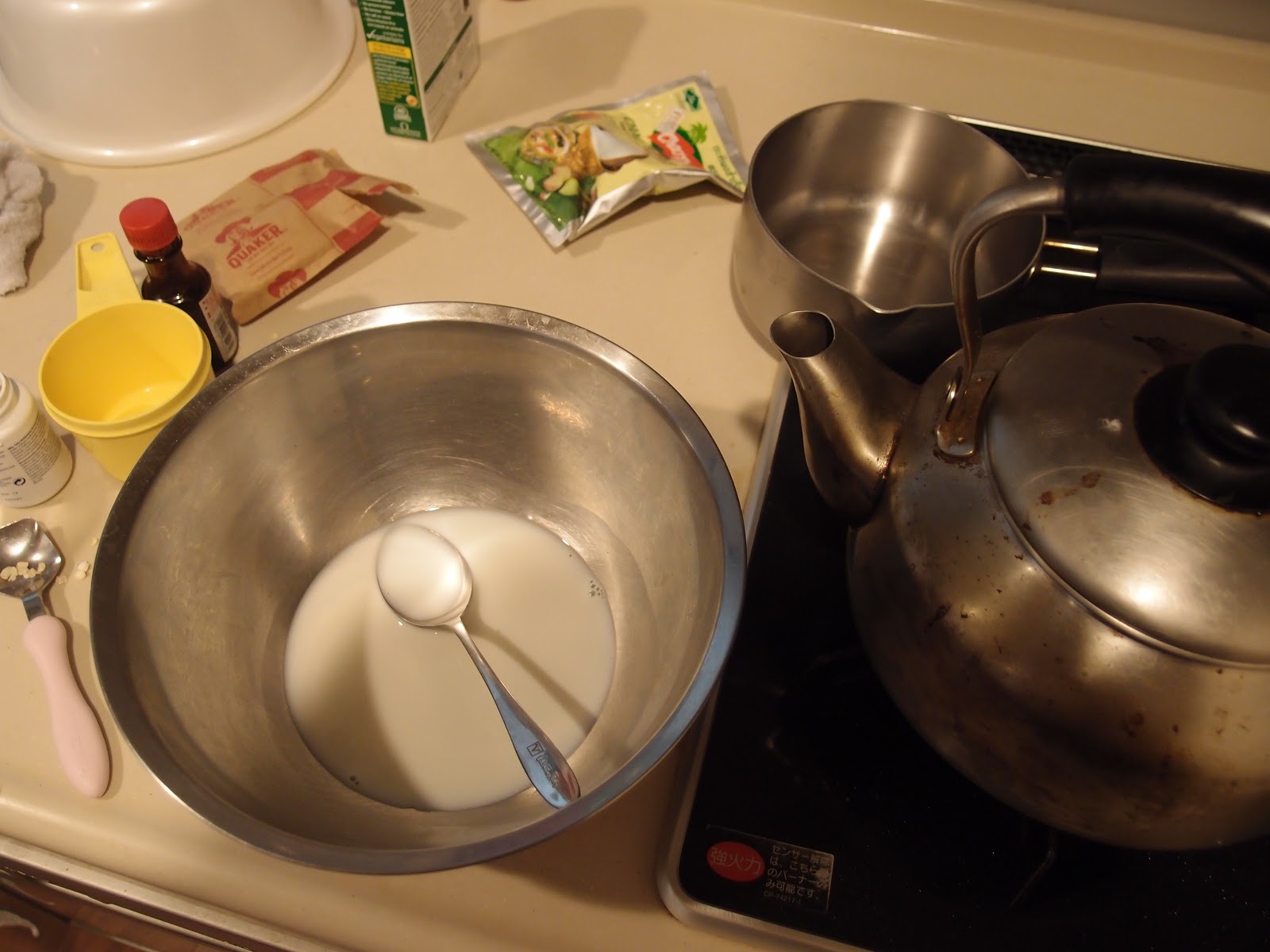
Homemade formula and the Weston A. Price bust-up

It's always kind of interesting when crunchy people fall out with each other (you know, like elimination communication fans vs. let-your-child-sit-in-diapers-till-they're five-if-they-want-to people... that kind of thing). The latest bust-up--if you'll pardon the pun--concerns the Weston A. Price Foundation (WAPF) vs. breastfeeding advocates.

WAPF is a kind of nutritionist movement that's been around for decades, and which advocates for "traditional foods"--organic everything, lots of animal products and lots of fermented/home-processed foods, from konbucha to bone broth to a yohurt-like product called kefir. It also advocates making homemade formula. Some breastfeeding advocates have become suspicious of WAPF in recent times, claiming that WAPF proponents are too quick to push homemade formula recipes on struggling mothers, rather than getting to grips with their latch issues, tongue ties, lack of support and so on. In the most extreme form, some WAPF advocates have stated that WAPF homemade formula can be better than breastmilk... if the mother eats an imperfect diet, and especially if she's vegan. WAPF doesn't actually sell its formula, obviously (this formula has to be made freshly), but it does encourage followers to purchase ingredients from a sponsor company called Radiant Life, which sells $170-$400 kits containing one to six months' worth of the supplements and powders needed to make the formula at home.

I don't always agree with Best For Babes but I think their piece on the WAPF thing got it more or less right. Full-on malnutrition can affect breastmilk quantity and quality, but this is rare in developed countries. In spite of its hippy image, woo/crunchy stuff/pseudoscience is often big business, and WAPF may well be subtly encouraging homemade formula use because it's in its business interests to do so, no different to Similac or Cow & Gate. Women who want to breastfeed would therefore be advised to be wary. Incidentally, this is not really about whether we think formula is wonderful, evil or something in between; it's because it behoves us to maintain a proper degree of skepticism concerning the advice given by anyone who is trying to sell us stuff. I mean, I use disposable diapers and wouldn't want to live in a world where they didn't exist; however, I have no intention of getting my toilet-training advice from a Pampers helpline. After all, businesses are businesses, not charities; it ought to be possible for us all to take advantage of their products appropriately and take what they say with a good pinch of salt.

However, amid all this talk, there's actually been very little discussion of the homemade formulas themselves. So I thought I 'd talk about that.

How to make formula (quick explanation)
Bit of background: You can't give straight cow's milk to young babies as a main drink because it's pretty different from human milk. Too much protein, for a start. Also, there are two types of protein in all animal milks: casein and whey protein. Human milk is about 30:70 casein-to-whey, while cow's milk is more like 80:20. All that casein's hard for a baby's belly to digest. The resultant stress on the intestines causes microscopic bleeding, which can add up to quite a lot of blood loss. Now, there's hardly any iron in cow's milk, which tends to cause anemia, and that gradually accumulating blood loss makes things even worse. Cow's milk also has too much sodium, and not enough carbohydrates. (It's a similar story for goat's milk, by the way, despite the urban legends about how it's supposedly similar to mother's milk)

Formula companies therefore process cow's milk and add things and take things away to make it more similar to breastmilk. Not the same, mind you; many nutrients are better absorbed and more useable ("bioavailable") in breastmilk than they are in formula, and the storage and preparation of formula may cause loss of some nutrients. So in order for the formula-fed baby to get the same amount of, say, calcium as the breastfed baby, you may actually have to create a formula with more calcium in it than breastmilk.

Now, the WAPF formulas purport to do the same thing--just on a homegrown scale. The website lists three types of formula--cow's milk-based, goat's milk-based, and liver-based--and explains the ingredients and preparation method for each. There is also a nutritional chart comparing what's in them (maddeningly, however, it uses ounces which makes it difficult to compare with scientific data on formula composition).

Protein
Now, the WAPF cow's milk and goat's milk formulas are certainly better than the crude recipes your grandma might have used--the sort where you just watered down evaporated milk and then bunged in a bit of sugar. Like commercial formula, the WAPF recipes get you to "rebalance" the casein-whey ratio, by making a separate batch of curds-and-whey (remember Little Miss Muffet?) and then adding some of that whey into your formula mixture. The actual amounts of protein also turned out to be comparable with commercial formulas, when I checked. So far, so good.
UPDATE: I've had a chance to read through some of the materials linked to me by Becky (the commenter below) on cow's milk in the first year. Cow's milk protein in the first year irritates the intestines and causes occult enteric blood loss in babies, meaning that their stools contain unusually large amounts of blood when examined. This over time can add up to substantial blood loss, greatly increasing the risk of iron deficiency anemia, which is strongly linked with mild cognitive problems later on in life. In commercial formulas, these milk proteins are heat-treated, making them easier to digest and minimizing blood loss. As I discuss below, the WAPF milk-based formulas are already low in iron; the fact that they contain elements which could cause the baby to loose what little iron they have must be considered a further strike against using such concoctions. And I think this also ties in with what I talk about in the final section--that when it comes to infant formula, processing is generally a good thing.

Raw milk
It is concerning, however, to see that WAPF is advocating raw (unpasteurized) milk for babies. When a person consumes raw milk, there is a small but real risk of infection which can have very serious consequences including organ failure, as the Real Raw Milk Facts website explains--no matter how clean the milking barn is. And most adults who drink raw milk are only having the odd glass. A baby is getting many bottles of milk a day--the chances of coming across a bad batch sooner or later are going to add up fast.

Sodium
One reason you shouldn't feed straight cow's/goat's milk in lieu of formula/breastmilk is their high sodium levels--about 430mg per 36oz (compared to breastmilk's 180mg). Commercial formulas, when I did the calculations, ranged from 180-360mg per 36oz. So the sodium levels in WAPF's milk-based formulas--308-320mg--seem to be fine.

Iron
Breastmilk iron is unusually bioavailable--there doesn't need to be a lot of it. Formulas need more iron in order for baby to get enough. Commercial ones usually have around 3.5mg per 36oz in the case of low-iron formulas, and up to 14.5 mg in the high-iron types. WAPF's cow's milk and goat's milk formulas, however, contain only 1.4mg and 2.2mg per 36oz, respectively, which looks rather low to me. The WAPF does emphasize that parents should start egg yolk feeding at 4mo, which will certainly help, but I wonder how the baby is supposed to manage till then--or what happens if your baby just can't take a spoon at 4mo.

Vitamin A
Perhaps mindful of the low iron levels in its other formulas, WAPF have come up with a third formula--"Liver based." You make this one by grating raw liver into meat broth, plus vegetable oils and other things. This formula has more iron in it (and it's haem iron, which is well absorbed).

Unfortunately, the liver means it has potentially toxic levels of Vitamin A as well. 20,000iu of Vitamin A per 682 calories means 2,933iu per 100kcal; meanwhile, "Toxic manifestations have been reported in infants when the daily intake was 2,100 iu/100 kcal or higher." I can't really imagine that very many people are actually going to bring themselves to feed their baby a pureed liver concoction all day long, but I do think it's a bit scary to think that if you followed WAPF s instructions to the letter, you could risk poisoning your child. Of course, a few decades ago, mega vitamin doses were very much the thing; I remember my mum's Adelle Davis books recommending that readers take some truly scary amounts of Vitamin This and That. Since then, the pendulum has swung very much towards recommending low doses of vitamins only; high doses of Vitamin A in particular have come out very badly in recent times, including concerns about teratogenicity (birth defects) in pregnant women; that's why pregnant women are supposed to take prenatals (with special low Vitamin A) rather than normal vitamins.

Other nutrients
Most of the micronutrients in the formula seemed to be higher than comparable amounts in commercial formula, when I did a comparison. One or two--like Vitamin E--were lower. Other than the scary liver-Vitamin A thing, I can't see anything here that would cause acute toxicity.  Still, from a long-term perspective, I think I'd rather feed my baby something where the levels of all these nutrients have been balanced reliably and consistently to just the right levels, based on research by dietitians.

The advantage of manufacturing formula using artificial vitamin and mineral drops and powders is that if you want to add exactly such-and-such amount of, say, manganese, you can go ahead and do just that. When you use natural materials, anything you add tends to come packaged with other nutrients, which then throws the mixture's balance off. Like... okay, one can boost the iron content of a formula by adding liver. But that iron comes bundled up with way too much Vitamin A. Or, perhaps we could bump up the rather low vitamin E level by adding more vegetable oil? But then the mixture might face composition/texture problems such as excessive oil separation. We could add something else to deal with the separation issue... but then you're inadvertently adding other nutrients. And so on. And the more steps and ingredients you have, the more opportunities for errors. I just think it's going to be really, really difficult to produce a well-balanced and foolproof formula on a home-kitchen scale.

Margin for error
Honestly, though, in a way the recipes themselves are less scary than the comments below. People saying stuff like "We have been using the cows milk formula and have replaced the yeast with vitamin b and maple syrup..." "My bottle of yeast flakes was crushed entirely in my check-in luggage; is yeast flakes absolutely required for this recipe or can I do without it for 3 weeks?" "I have been feeding our adopted newborn the goat milk formula since he was 3 weeks old. I did not realize that I was supposed to wait on giving him the cod liver oil until he was 3 months old. Have I done something dangerous to his health?" "I increased the cream by a tablespoon because he is a big boy..." "How about coconut nectar from the company called coconut secret? Just ideas....." "I noticed that it had curdled almost, more like became gelatinous...is this suppose[d] to happen?" Seriously, people, why are you even asking these questions? This is your baby's lifeblood we are talking about, not a fun baking experiment. The newborn period is a time when most of us feel like we deserve a round of applause just for getting a simple meal cooked. Creating formula using all these elaborate rules when you are sleep deprived seems like an invitation to disaster (especially when one considers how many parents make errors even with commercial infant formula preparation).

The food that breaks the rules
Formula breaks all the rules of normal food. We all know these rules: "Cook food at home," "Use real produce," "Eat fresh food," "Try to eat foods with as short an ingredients list as possible" and so on. But formula is a food with a unique job to do: it's got to mimic a natural food (breastmilk) as closely as possible. So the processing that commercial formula undergoes and the long list of ingredients on the package are good things; they make the formula more like breastmilk and less like cow's milk. A simple homemade formula using fresh materials is likely to behave less like breastmilk, and is therefore less suitable for a baby.

To be fair, the WAPF's milk-based formulas (as opposed to the scary liver puree thing) don't look to me like they could induce toxicity in an infant, which fits in with the fact that many people do use these formulas and their babies seem perfectly alright...although to be honest, the impression I get from the comments on the WAPF page is that the greater part of parents using homemade formula are doing so as a supplement for a predominantly breastfed infant rather than as a full-time thing, which would greatly reduce the risks. In a situation where commercial formula and donor milk weren't available (and yes, this can happen: after the earthquake in Japan around the time I gave birth, formula started disappearing from the shops due to distribution problems and panic-buying) I have no doubt that something like the WAPF cow's milk formula, with pasteurized milk, would keep baby ticking over OK until supplies resumed. However, I'd really question the utility of using homemade formula by choice in peacetime conditions.

The optimal milk drink for a baby is breastmilk, but if a mother can't nurse or prefers not to, I think the next best thing is a commercial infant formula correctly made up. Buy a tin and follow the instructions on the label. Done. This is one of those pleasantly hedonistic moments in childrearing where the easiest approach is actually the best and safest too. Making your own formula falls into that interesting category known as "Putting a lot of effort into actually making your parenting worse." It's complicated, there's no evidence it's any better, and there's at least some indications that it may be less well balanced and riskier.


Further reading

*Best For Babes's take on the WAPF bust-up
http://www.bestforbabes.org/from-karo-syrup-to-goat-milk-the-formulas-may-change-but-the-booby-traps-remain-the-same

*More discussion at Unlatched
http://unlatched.wordpress.com/2013/04/02/the-weston-a-price-foundations-dangerous-breastfeeding-advice-should-not-be-ignored/

*Vitamin A toxicity
http://www.medceu.com/index/index.php?page=get_course&courseID=3903&nocheck

*Commercial formula composition
http://www.espghan.med.up.pt/position_papers/con_23.pdf

*Real Raw Milk Facts website
http://www.realrawmilkfacts.com/raw-milk-hot-topics

*Cow's milk induced intestinal bleeding in infancy
http://www.ncbi.nlm.nih.gov/pmc/articles/PMC1029246/pdf/archdisch00547-0084.pdf